
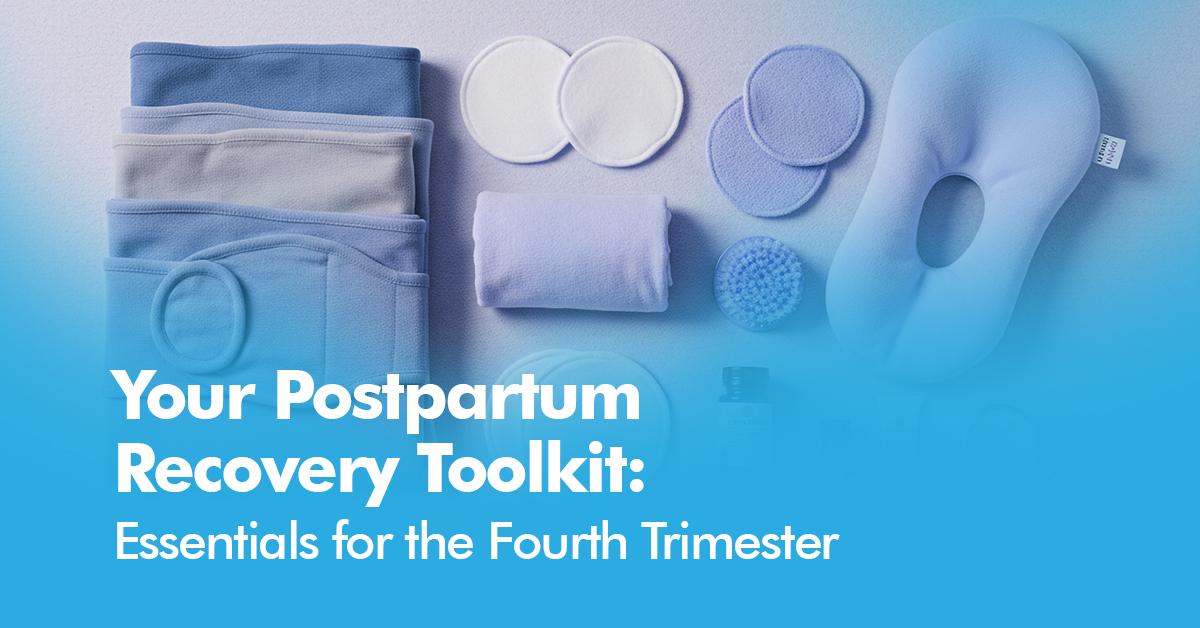
Your Postpartum Recovery Toolkit: Essentials for the Fourth Trimester
You've just welcomed your baby, but the journey doesn't end there. The weeks that follow — often called the "fourth trimester" — bring healing, hormonal shifts, and a newborn who needs you around the clock. Your uterus is shrinking back down, your breasts are producing milk (and sometimes leaking), and your emotions may swing more than usual. Postpartum care matters just as much as prenatal care did, and self-care here isn't a luxury — it's part of recovering well.
Physical Recovery Essentials
Postpartum pads or disposable underwear — vaginal bleeding (lochia) can last up to 6 weeks, so you'll want something thick, comfortable, and genuinely absorbent.
A peri bottle or sitz bath kit — for mums who deliver vaginally, a peri bottle makes gentle rinsing after urinating far more comfortable, and a sitz bath can soothe swelling and tearing pain.
A soft nursing bra — breasts can be sore, engorged, or leaky in these early weeks, and a wireless bra with easy access makes both comfort and feeding simpler.
High-waisted underwear or an abdominal wrap — useful support for your abdomen post-delivery, especially after a C-section.
Nipple cream and breast pads — breastfeeding often brings some nipple soreness in the beginning; cream and absorbent pads both help.
Soft, loose loungewear or nightwear — something you can nurse in easily without a fight matters more than it sounds.
Pain relief and gentle skincare — ask your doctor which pain relievers are safe for you, and keep skincare simple to avoid irritation.
A hydration bottle and easy snacks — labour and breastfeeding both drain your energy fast, so having water and food within reach matters more than it might seem.
Extra pillow support — for your back or pelvis while sitting up to feed or trying to rest.
Mental and Emotional Wellness
Postpartum recovery isn't only physical — hormonal shifts and sleep deprivation can affect your mood more than you'd expect. Journaling or a simple gratitude practice, short walks when you're able, talking to a therapist or joining a mum group, and genuinely letting friends or family help all make a real difference. If you feel persistently sad, anxious, or overwhelmed, it's worth talking to your healthcare provider — it could be postpartum depression, and support helps.
Nigerian Postpartum Traditions
In Nigeria, postpartum care often includes "omugwo" — care and support from your mother or mother-in-law — along with postpartum soups like pepper soup with fish or chicken, and warm massages or abdominal binding. These traditions can genuinely help; pairing them with modern medical care tends to give the best results, rather than choosing one over the other.
The fourth trimester is a season for healing, bonding, and figuring things out as you go. Equip yourself with what actually helps your body and mind, be patient with the process, and remember — you're doing better than you probably feel like you are.
Frequently Asked Questions
How long does postpartum bleeding last?
Vaginal bleeding (lochia) can last up to 6 weeks after delivery. Thick, comfortable, absorbent pads or disposable underwear are essential during this time.
What is the fourth trimester?
It refers to the first 12 weeks after giving birth, when your uterus is shrinking back down, your breasts are producing milk, and your body and emotions are still adjusting — self-care during this period is part of recovering well, not a luxury.
When should I be concerned about postpartum mood changes?
If you feel persistently sad, anxious, or overwhelmed, talk to your healthcare provider — it could be postpartum depression, and support genuinely helps.