
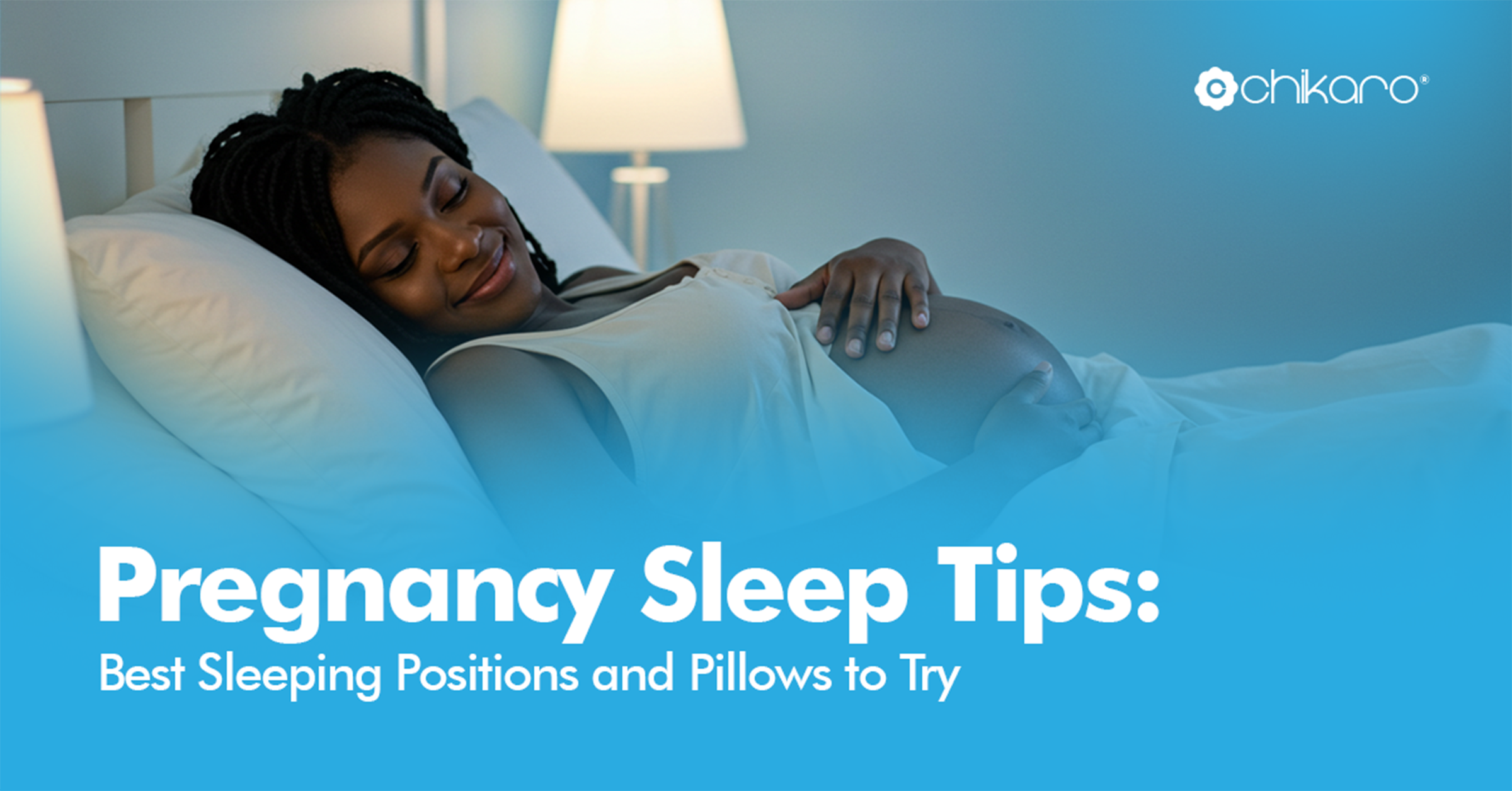
Pregnancy Sleep Tips: Best Sleeping Positions and Pillows to Try
Growing a baby is hard work, and your body needs rest more than ever — but between nausea, leg cramps, a growing bump, and endless bathroom trips, a good night's sleep during pregnancy can feel like an Olympic sport. Sleep supports your baby's development, keeps your immune system strong, and helps manage stress — poor sleep has even been linked to longer labour, so getting it right matters more than it might seem.
Best Sleeping Positions by Trimester
In the first trimester, back or stomach sleeping is still fine, though breast tenderness or nausea may already make you restless. A small pillow under your hips or knees helps, and side-sleeping can ease bloating or gassiness.
By the second trimester, your bump has grown enough that back sleeping starts to feel less comfortable — and for good reason. Left-side sleeping is the position to aim for from here on: it improves blood flow to the placenta and helps your kidneys clear waste. Try to avoid lying flat on your back for long stretches, since it can reduce circulation and leave you feeling dizzy.
In the third trimester, left-side sleeping becomes essential — back sleeping can compress a major vein and reduce circulation further. Bend your knees with a pillow between them, and use extra pillows to support your belly and lower back.
Pillows Worth Having
You don't need a dozen pillows — just the right ones. A full body maternity pillow (U-shape or C-shape) supports your head, neck, belly, back, and knees all at once. A wedge pillow is compact and travel-friendly, good for propping your bump or back. A regular pillow between the knees relieves pressure on your hips and lower back, and a few ordinary pillows stacked wherever you need support work just as well if that's what you have on hand.
Common Sleep Problems and What Helps
Frequent nighttime urination — limit fluids after 8pm, and use a dim night lamp instead of harsh lighting so it's easier to fall back asleep.
Heartburn — avoid spicy or greasy meals close to bedtime, and sleep with your head slightly elevated.
Back pain — a wedge pillow or a rolled towel under your belly can take some of the pressure off, along with some gentle stretching before bed.
Leg cramps — stay hydrated through the day, and try massaging your legs or using a warm compress before sleep.
Insomnia or racing thoughts — deep breathing or a guided sleep meditation can help you wind down, and keeping a notepad by the bed for anything on your mind means you're not trying to hold onto it all night.
A Few Sleep Hygiene Basics
Keeping a consistent sleep and wake time, using breathable cotton bedding suited to Nigeria's heat, keeping your room cool with a fan or open window, cutting screen time in the hour before bed, and napping earlier in the day rather than late all add up to noticeably better sleep over time.
Between the heat, the household, and everything else competing for your attention at night, good sleep doesn't always come easily during pregnancy. But small, consistent changes — the right pillow, the right position, a slightly cooler room — can make a real difference, night after night.
Frequently Asked Questions
What is the safest sleeping position during pregnancy?
Left-side sleeping, especially from the second trimester onward — it improves blood flow to the placenta and helps your kidneys clear waste, while back sleeping for long stretches can reduce circulation.
What pillow is best for pregnancy sleep?
A full-body pillow (U-shape or C-shape) supports the head, neck, belly, back, and knees all at once. A wedge pillow or a regular pillow between the knees also helps if you don't want to invest in a full body pillow.
How do I stop heartburn from disrupting my sleep during pregnancy?
Avoid spicy or greasy meals close to bedtime and sleep with your head slightly elevated — both noticeably reduce nighttime heartburn.